
Understanding the Impact of Bridgetown's Climate on Pest Control


Introduction to Bridgetown's Climate
Bridgetown, the capital of Barbados, is known for its tropical climate, characterized by a wet season from June to November and a dry season from December to May. These conditions create an environment where various pests can thrive, posing challenges for residents and pest control professionals alike.
The warm temperatures and high humidity levels provide ideal breeding grounds for common pests, which can lead to increased infestations during certain times of the year. Understanding how Bridgetown's climate impacts pest control is essential for effective management and prevention strategies.

Common Pests in Bridgetown
Due to its climate, Bridgetown is home to a variety of pests, including mosquitoes, termites, ants, and cockroaches. Each of these pests has unique characteristics and thrives in different conditions, necessitating targeted control methods.
Mosquitoes are particularly prevalent during the wet season, as standing water from rainfall provides breeding sites. This not only affects comfort but also raises health concerns due to diseases like dengue fever.
Impact of Seasonal Changes
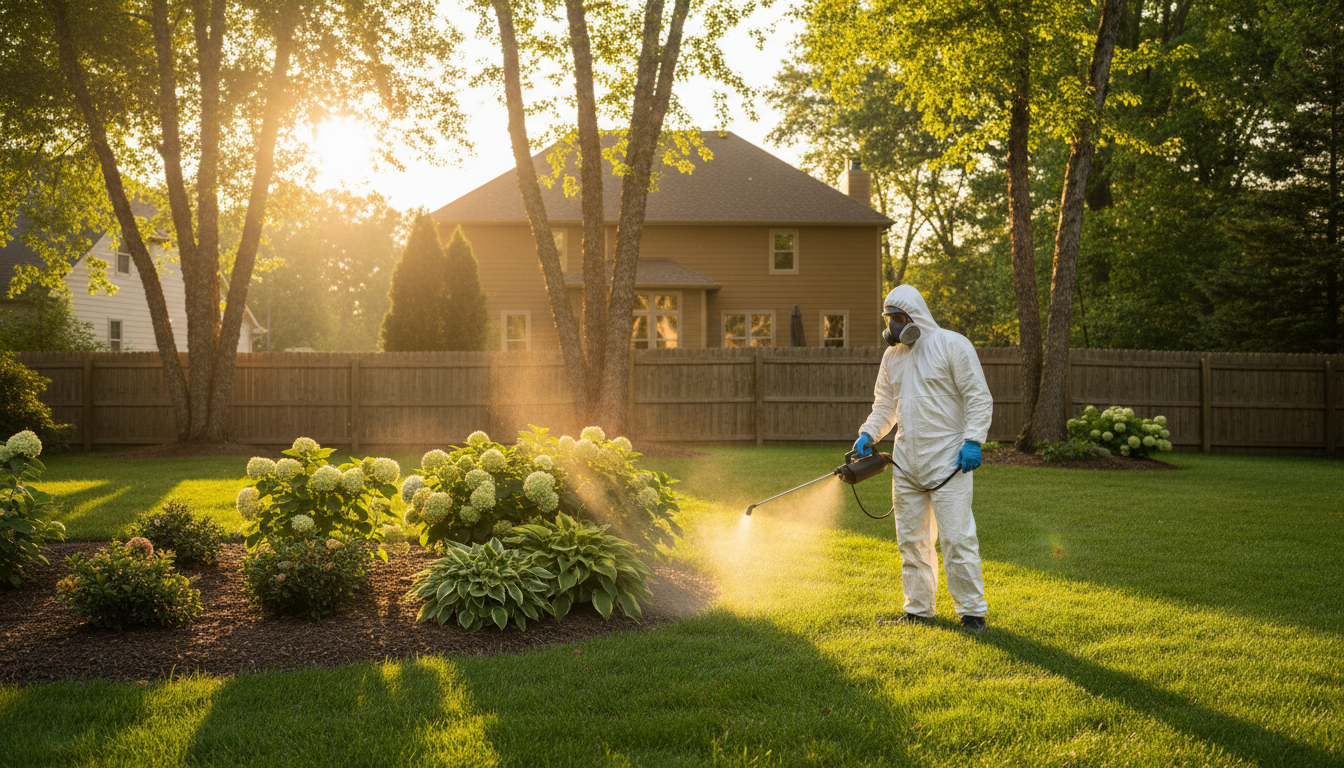
The transition between the wet and dry seasons significantly influences pest activities. During the wet season, increased rainfall leads to higher humidity levels, which can exacerbate pest problems. Conversely, the dry season may see a decline in certain pest populations but can also drive others indoors in search of water and food.
Understanding these seasonal patterns helps pest control professionals plan and implement effective strategies, adjusting their approaches to the current environmental conditions.
Strategies for Effective Pest Control
Effective pest control in Bridgetown requires a combination of proactive measures and responsive actions. Here are some strategies:
- Regular Inspections: Conduct routine checks for signs of infestations to catch problems early.
- Proper Waste Management: Dispose of garbage properly to reduce attracting pests.
- Moisture Control: Fix leaks and eliminate standing water to prevent breeding grounds.
- Seasonal Treatment Plans: Tailor pest control measures to match seasonal pest behaviors.
Challenges in Pest Management
One of the main challenges in pest management in Bridgetown is the ability of pests to quickly adapt to environmental changes. The consistent warm climate allows pests to remain active year-round, requiring constant vigilance and adaptation from pest control services.
Additionally, the use of chemical pesticides must be carefully managed to avoid environmental harm, making integrated pest management (IPM) approaches more favorable.
Integrated Pest Management Approach
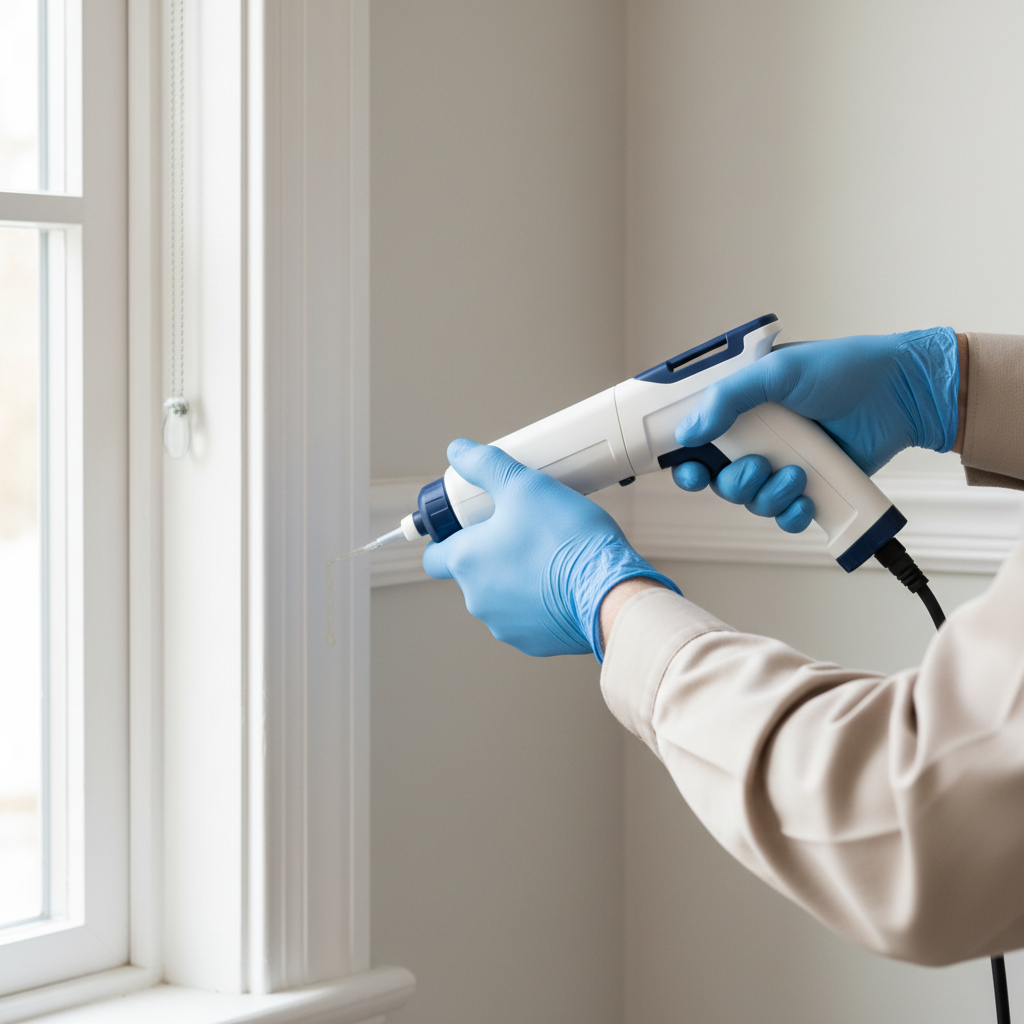
IPM combines biological, cultural, physical, and chemical tools in a way that minimizes economic, health, and environmental risks. This approach is particularly effective in Bridgetown, where climate conditions are conducive to pest proliferation.
By focusing on long-term prevention and sustainable practices, IPM offers a balanced way to manage pest populations while safeguarding the local ecosystem and residents' health.
Conclusion
Understanding the impact of Bridgetown's climate on pest control is crucial for residents and professionals alike. By recognizing how seasonal changes affect pest behaviors and employing effective management strategies, it is possible to mitigate pest-related issues effectively. Emphasizing sustainable practices ensures that Bridgetown remains not only a beautiful place to live but also a healthy one.