
Myth-Busting Common Pest Control Misconceptions


Understanding Pest Control: Debunking the Myths
When it comes to pest control, there are numerous myths and misconceptions that can lead to ineffective practices and unnecessary expenses. Understanding the truth behind these myths can help homeowners make informed decisions and maintain a pest-free environment.
Myth 1: Clean Homes Don’t Have Pests
One of the most common misconceptions is that pests only invade dirty homes. While cleanliness can help prevent infestations, pests are primarily attracted to food, water, and shelter. Even the cleanest homes can have hidden entry points or food sources that attract pests.
Rodents, ants, and cockroaches are opportunistic and can find their way into any home, regardless of how tidy it is. Therefore, it’s essential to focus on proper sealing and regular inspections to keep these unwanted guests at bay.
Myth 2: DIY Methods Are Always Effective
Many people believe they can handle pest control using over-the-counter solutions or homemade remedies. While these methods might work for minor issues, they often fail to address the root cause of infestations.

Professional pest control services have access to more effective treatments and possess the expertise to identify and eliminate the source of the problem. Relying solely on DIY methods can lead to recurring issues and increased long-term costs.
Myth 3: All Pests Are Harmful
It's easy to assume that all pests pose a threat, but the reality is that not every pest is harmful. Some insects, like ladybugs and spiders, can be beneficial by controlling populations of other pests.
Understanding which pests are harmful and which are beneficial can help homeowners make informed decisions about pest control measures. It’s important to distinguish between nuisance pests and those that pose health risks.
Myth 4: Pest Control Chemicals Are Dangerous
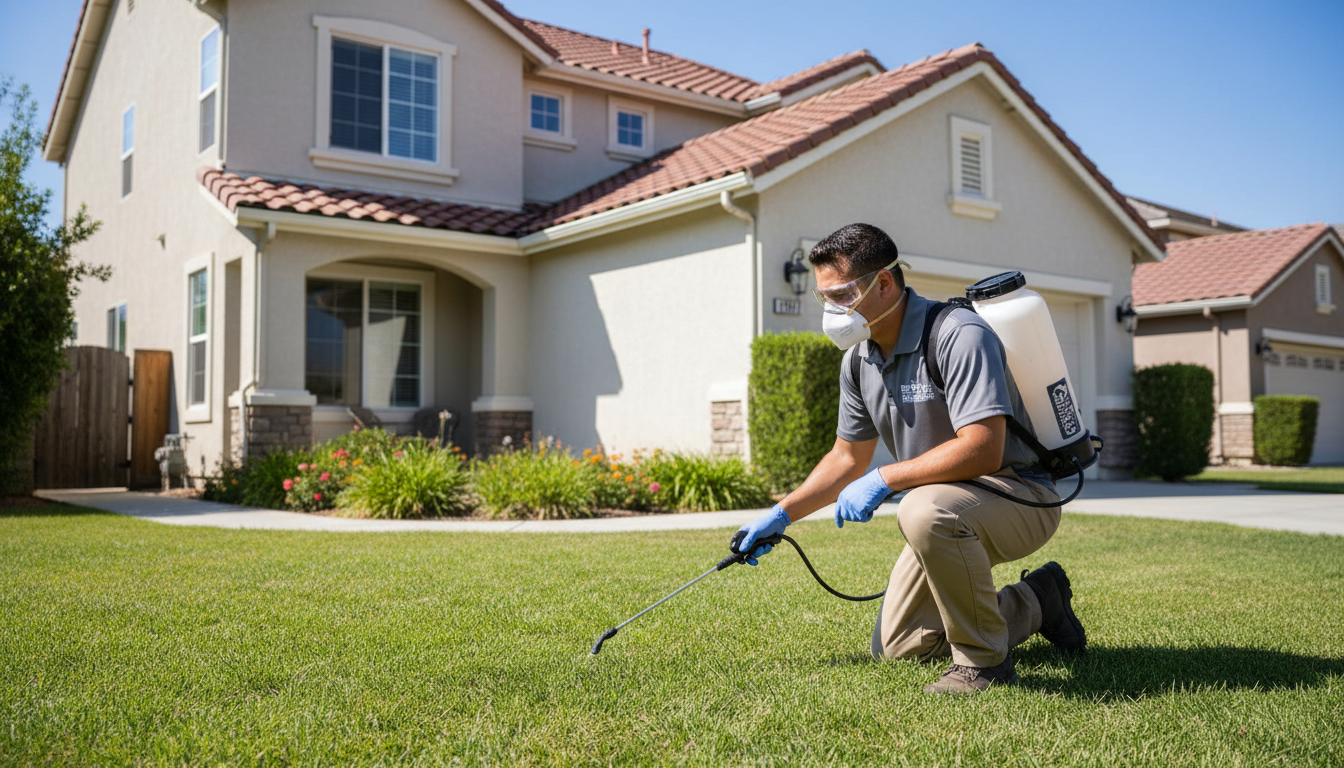
Concerns about the safety of pest control chemicals often deter people from seeking professional help. However, licensed pest control companies use EPA-approved products that are safe when applied correctly.
These professionals are trained to use the right amount of chemicals in a way that minimizes risks to humans, pets, and the environment. Always consult with a professional to ensure safe and effective pest management.
Myth 5: Pests Will Go Away on Their Own
Some homeowners hope that ignoring a pest problem will lead to it resolving itself. Unfortunately, this is rarely the case. Pests reproduce quickly, and a minor issue can escalate into a full-blown infestation if not addressed promptly.
Proactive measures and timely intervention are key to preventing pests from becoming a significant problem. Regular inspections and maintenance can help detect issues early and keep your home pest-free.
Conclusion: Separating Fact from Fiction
By debunking these common pest control myths, homeowners can better protect their properties and maintain a healthy living environment. Understanding the realities of pest control and seeking professional advice when needed are crucial steps in effective pest management.
Remember, knowledge is power—by educating yourself about pest control myths, you can make informed decisions and keep your home safe and comfortable.