
Exploring the Latest Eco-Friendly Pesticides in Barbados


Introduction to Eco-Friendly Pesticides
As the world increasingly embraces sustainable practices, the agricultural sector in Barbados is making significant strides in adopting eco-friendly pesticides. These innovations are designed to minimize environmental impact while effectively managing pests. In this blog, we explore some of the latest developments in eco-friendly pesticides available in Barbados.
Traditional pesticides have long been criticized for their harmful effects on the environment and human health. The shift towards greener alternatives offers a promising future for sustainable agriculture on the island.
Understanding Eco-Friendly Pesticides
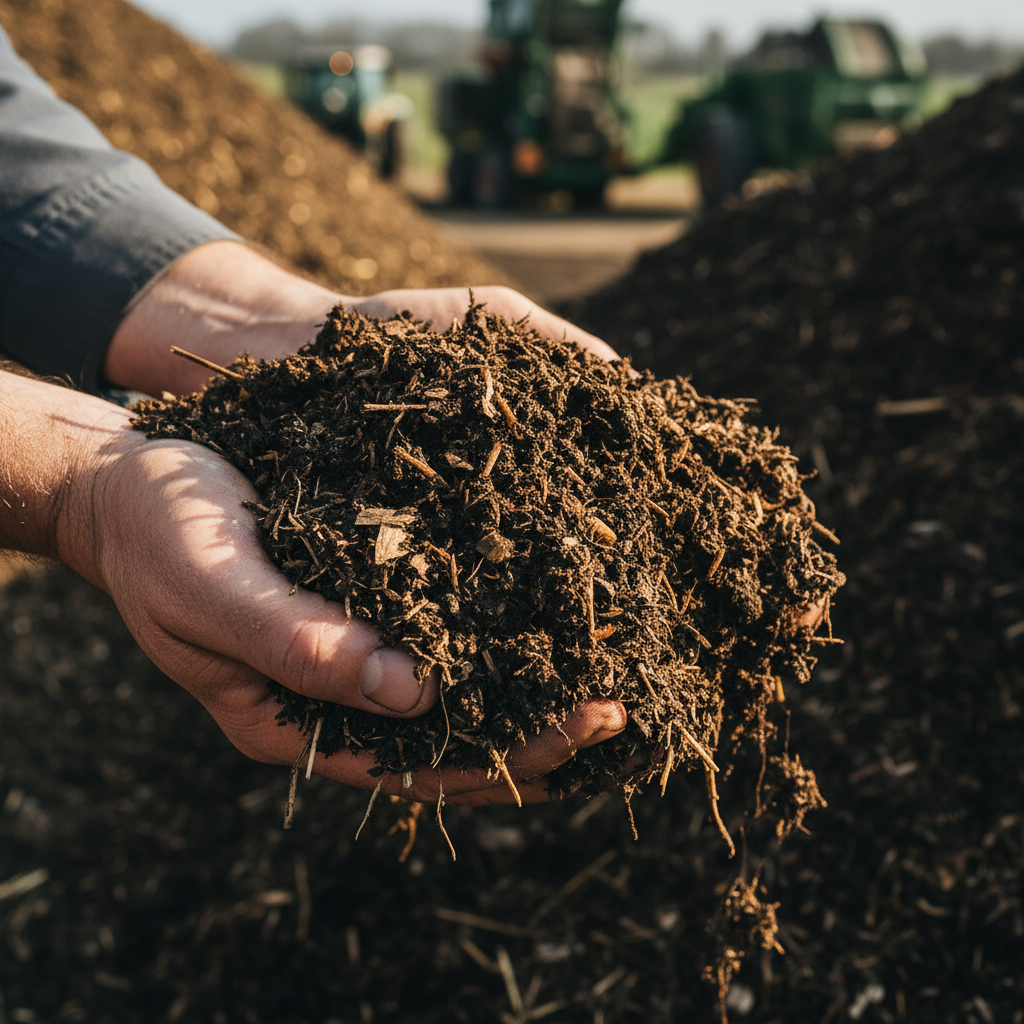
Eco-friendly pesticides, also known as bio-pesticides, are derived from natural sources such as plants, bacteria, and certain minerals. These products aim to target specific pests while leaving beneficial insects and the surrounding ecosystem unharmed.
One of the main benefits of using bio-pesticides is their ability to decompose quickly, reducing the risk of long-term environmental contamination. This attribute makes them an attractive option for farmers who are conscious of their ecological footprint.
Types of Eco-Friendly Pesticides
There are several types of eco-friendly pesticides being utilized in Barbados:
- Botanical Pesticides: Derived from plants, these include neem oil and pyrethrin, which are effective against a wide range of pests.
- Microbial Pesticides: These involve the use of bacteria, fungi, or viruses to target specific pest populations.
- Mineral-Based Pesticides: Products like diatomaceous earth serve as physical barriers to pests.

Benefits of Using Eco-Friendly Pesticides
Switching to eco-friendly pesticides offers numerous advantages beyond environmental protection. Farmers in Barbados are witnessing improvements in soil health, increased biodiversity, and enhanced crop yields. Additionally, these products are often safer for farmworkers and local communities.
The use of bio-pesticides also supports the preservation of local wildlife, which is crucial for maintaining balanced ecosystems. By targeting only specific pests, beneficial insects, such as pollinators, are left unharmed, supporting the natural growth cycle of crops.
Challenges and Considerations
While eco-friendly pesticides present many benefits, there are challenges to consider. These products may require more precise application and timing to be effective, and farmers may need additional training. Additionally, initial costs can be higher, although long-term benefits often outweigh these expenses.
Success Stories from Barbados
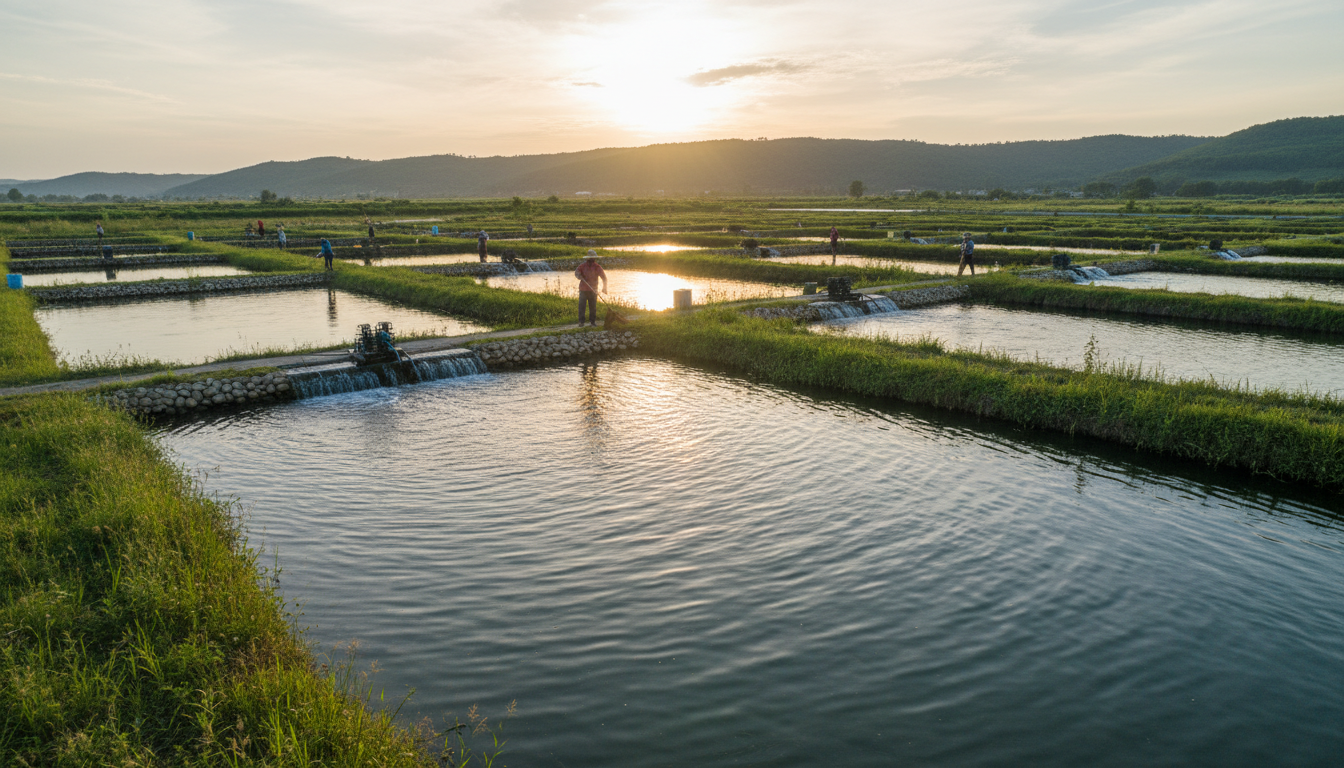
Several farmers in Barbados have successfully transitioned to eco-friendly pesticides, reporting a significant reduction in chemical use and improved crop quality. These success stories are inspiring other local farmers to explore sustainable practices.
Collaborations with agricultural organizations and government initiatives have played a crucial role in promoting the use of bio-pesticides. Educational programs and workshops are helping farmers understand the benefits and application techniques of these innovative solutions.
Looking to the Future
As Barbados continues to prioritize sustainability, the adoption of eco-friendly pesticides is expected to grow. Ongoing research and development are likely to bring even more advanced solutions to the market, further supporting the island’s agricultural sector.
The commitment to greener practices not only benefits the environment but also enhances the resilience and productivity of Barbados’ agricultural industry, ensuring a healthier future for all.