
DIY Pest Control: Home Inspection Tips for Bridgetown Residents


Living in Bridgetown offers a delightful mix of culture and scenic beauty, but like any other place, it's not immune to pest issues. Whether you're dealing with ants, termites, or rodents, a proactive approach to pest control can save you time and money. Here, we provide some essential DIY pest control tips for conducting a thorough home inspection.
Why Regular Inspections Matter
Regular home inspections are crucial for early pest detection. By identifying problems early, you can address them before they become costly and difficult to manage. Pests can cause structural damage and even pose health risks. Therefore, familiarizing yourself with inspection techniques is a wise investment.
Make it a habit to inspect your home every season. This not only helps in spotting signs of infestations but also keeps your home well-maintained. The more familiar you are with your home's normal condition, the easier it will be to spot anything unusual.
Inspecting Entry Points
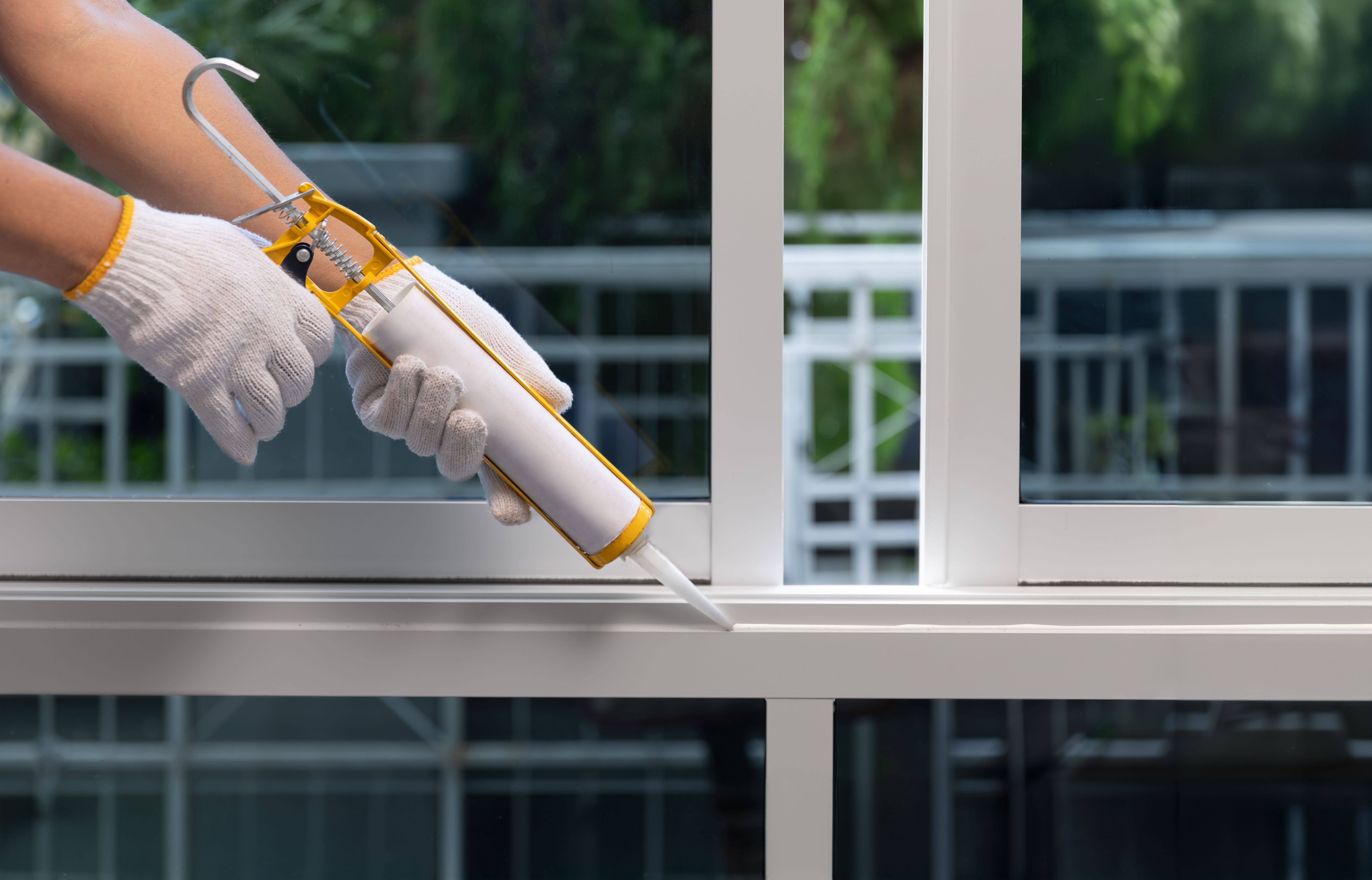
Pests often enter homes through small cracks and gaps. These can be found around windows, doors, and foundations. Check for any openings and seal them with caulk or weather stripping. Pay special attention to areas where utilities enter the home, as these are common entry points for rodents and insects.
Don't forget to inspect your roof and attic too. Birds, squirrels, and raccoons can enter through loose shingles or vents. Ensuring these areas are secure can prevent larger animals from making your home theirs.
Checking for Moisture Problems
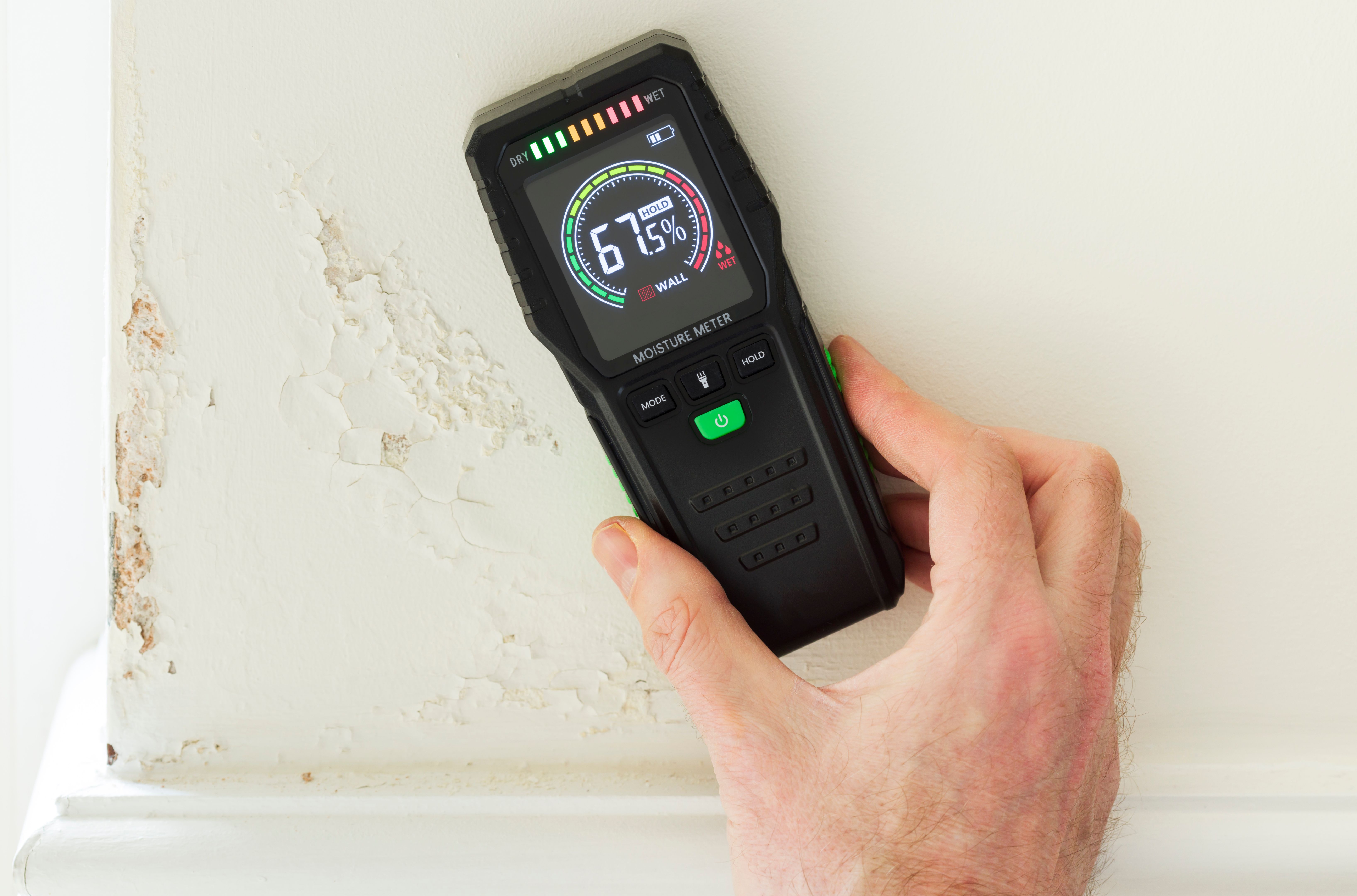
Many pests, like termites and cockroaches, thrive in moist environments. Inspect areas like the basement, bathroom, and kitchen for signs of moisture problems. Look for leaks, damp spots, or standing water, and address these issues promptly.
Installing dehumidifiers can help keep moisture levels in check, especially in naturally damp areas of your home. Regularly cleaning gutters and ensuring proper drainage around your home also prevents water accumulation.
Identifying Pest Signs
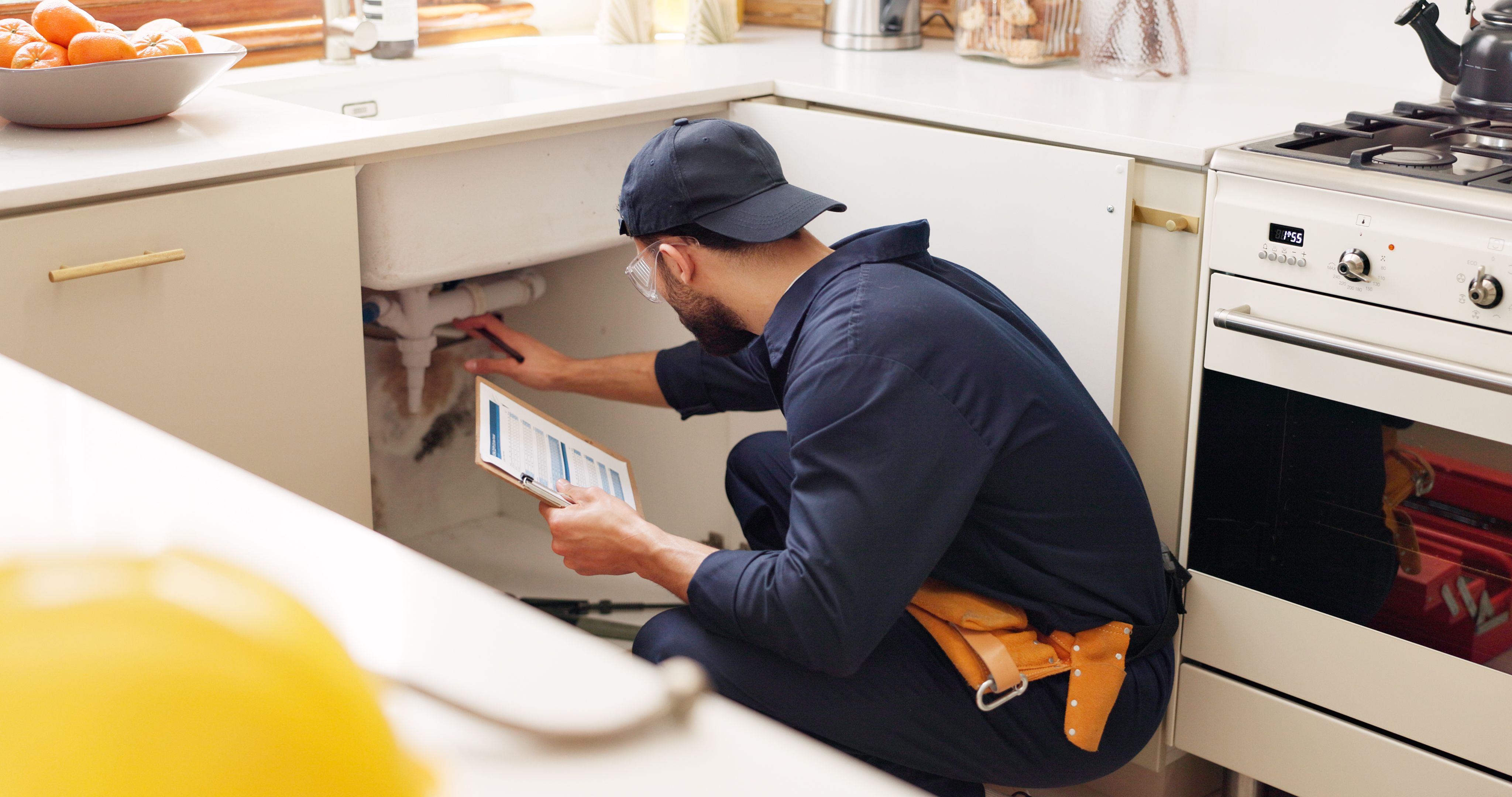
During your inspection, look for signs of pest activity. This could include droppings, gnaw marks, or nests. Be vigilant around food storage areas and garbage bins, as these are attractive spots for pests.
Use a flashlight to check dark or hidden areas, such as under sinks or behind appliances. If you notice any unusual activity, take action immediately to avoid a larger infestation.
Natural Pest Control Solutions
While chemical treatments are available, natural remedies can be effective for minor pest issues. Consider using vinegar, essential oils, or diatomaceous earth as non-toxic alternatives. These can deter a variety of pests without harming the environment.
Planting pest-repelling herbs like mint or basil around your home can also provide a natural barrier against insects.
When to Call Professionals
While DIY methods can be effective, there are times when professional pest control services are necessary. If you encounter a large infestation or a pest that requires specialized treatment, don't hesitate to seek expert help. Professionals have the tools and knowledge to manage pest issues effectively and safely.
In conclusion, regular home inspections and early detection are key to effective DIY pest control. By following these tips, Bridgetown residents can enjoy a pest-free home environment. Remember, a little effort now can prevent bigger problems down the line.